Hammersmith and Fulham council parking rules for movers: what you need to know before moving day
If you are planning a move in West London, the parking side of the job can be the bit that quietly causes the most trouble. Hammersmith and Fulham council parking rules for movers can affect where the van stops, how long loading takes, whether you need permission, and whether your day runs smoothly or turns into a knock-on of delays. Let's face it, nobody wants to be carrying a sofa while a traffic warden is hovering nearby.
This guide breaks everything down in plain English. You will get a practical overview of how moving-day parking usually works in the borough, what to check before you book a van, how to avoid the common mistakes that lead to stress or penalties, and how to plan your move so the parking side feels under control rather than improvised.
As you read, keep one thing in mind: local parking rules are not just a formality. They can affect timing, access, safety, and cost. A bit of planning here saves a lot of faff later.
Why Hammersmith and Fulham council parking rules for movers Matters
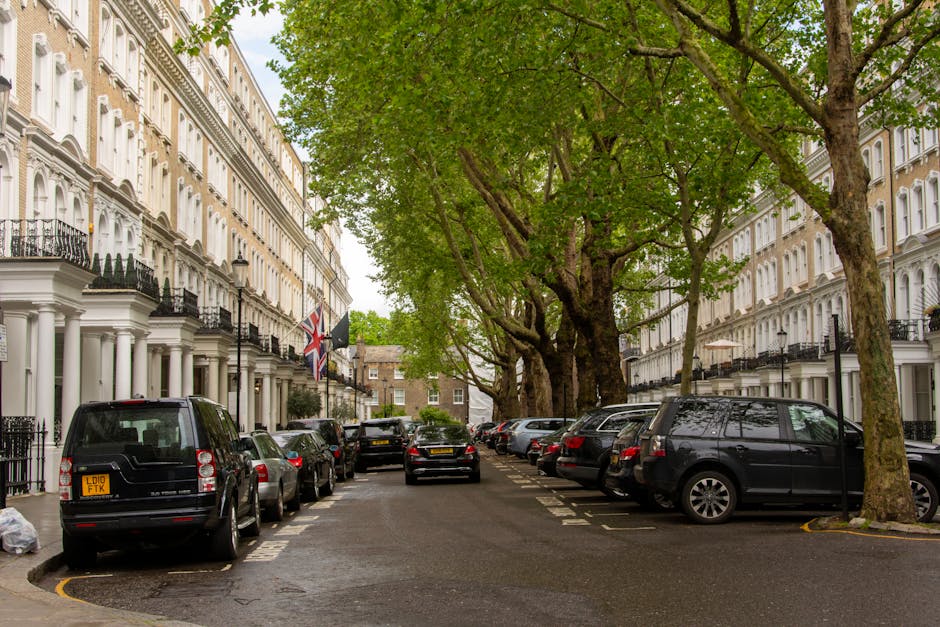
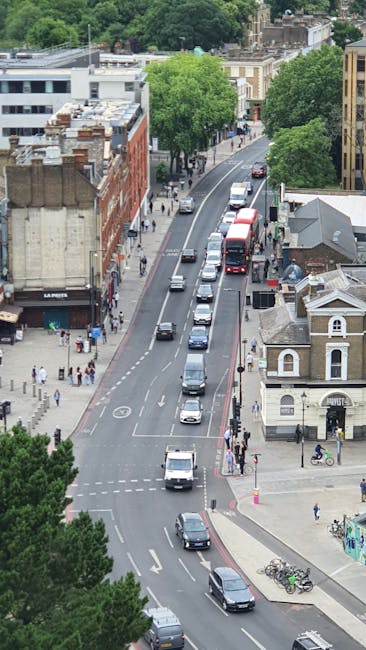
Parking is not a side issue on moving day. It is the difference between a neat, controlled load-out and a frustrating chain of problems. In a busy borough like Hammersmith and Fulham, kerb space is often limited, streets can be narrow, and parking restrictions can change from one road to the next. If you arrive assuming there will be somewhere convenient to stop, you may be in for a rude little surprise.
The main reason these rules matter is simple: moving vans are bigger, slower, and less flexible than a car. They need space to stop, open doors, load furniture, and sometimes wait while keys are handed over. Without a proper plan, the van may end up too far from the property, blocking traffic, or parked where it should not be. That creates avoidable risk for you and for anyone helping with the move.
There is also the question of time. A move that should take two hours can stretch much longer if the van keeps having to move, you have to carry boxes a long way, or you need to circle for legal parking. You notice this most sharply when the clock starts ticking and everyone is tired. The packing tape is already fighting you, the kettle is somewhere unknown, and now you are dealing with parking. Not ideal.
For renters, homeowners, landlords, and businesses alike, local parking rules can also affect neighbours and building management. A smooth move shows respect for shared space. A chaotic one tends to leave people annoyed before the kettle is even plugged in. That sounds small, but on a London street, small things matter.
How Hammersmith and Fulham council parking rules for movers Works
While exact restrictions vary by street, the basic idea is consistent: you need to understand what kind of parking or loading is permitted outside the property, when it is permitted, and whether you need any temporary arrangement for the moving vehicle. Some roads allow loading for a short period, some have resident bays, some have pay-and-display restrictions, and some are tightly controlled at peak times.
For movers, the key distinction is usually between parking and loading/unloading. Parking means leaving the vehicle in a space under the normal parking rules for that location. Loading/unloading is typically a short-term stop to move items in or out. In practice, councils often treat these differently, but the conditions matter. Time limits, presence of someone with the vehicle, and whether the activity is genuinely active all affect what is allowed.
That is the bit people sometimes miss. "We are only there for a few minutes" does not automatically make it fine. The exact road signs, bay markings, time restrictions, and enforcement style all count. If you are moving in a street where stopping space is tight, it is worth treating parking planning as part of the move itself, not an afterthought.
In many moves, there are three practical routes:
- Use an existing legal loading space or unrestricted area if one is available.
- Arrange temporary access or permission where the local setup allows it.
- Plan for the van to stop legally a short distance away and carry items carefully to the door.
The right option depends on the road, the property, the time of day, and the size of the vehicle. A small van has more flexibility. A larger removal vehicle needs a lot more breathing room. Truth be told, the bigger the move, the more you want a proper plan rather than a hopeful one.
If your move is part of a broader home move, it can also help to think about the service type you need. For example, a smaller local job might suit a man and van arrangement, while a larger household move may call for full house removals. The parking approach should match the vehicle and the scale of the job.
Key Benefits and Practical Advantages
Getting parking right does more than avoid hassle. It improves the whole move in practical ways.
1. Faster loading and unloading
When the van can stop close to the property, the crew spends less time walking back and forth. That reduces fatigue, saves time, and lowers the chance of damage. A short, direct route from front door to van is worth a lot on a moving day.
2. Lower stress
There is a calm that comes from knowing the vehicle is where it should be. The move still has pressure, of course, but one major variable is off the table. That makes the whole day feel less brittle.
3. Better protection for furniture and walls
Long carries through narrow streets, stairwells, and awkward corners increase the chance of scuffs and knocks. Shorter carry distances help keep bulky items under control.
4. Reduced risk of penalties or complaints
When a van is stopped properly and the activity is clearly reasonable, you are less likely to get into trouble with enforcement or neighbours. Nobody wants a parking dispute as the opening act of moving day.
5. Better scheduling
Parking rules affect the timing of the move. If the van can only stop in a certain window, or if certain bays are unavailable during rush hour, you can plan your booking more accurately and avoid costly delays.
In our experience, the people who spend ten minutes thinking about parking often save themselves an hour of stress later. It is one of those boring bits that becomes very exciting if ignored.
Who This Is For and When It Makes Sense
This topic matters to a wide range of people, but it is especially useful if you are:
- Moving home into or out of Hammersmith and Fulham.
- Hiring a van or removal team for a flat move, house move, or shared property.
- Managing a landlord handover and need access for furniture removal.
- Relocating an office or small business with loading and unloading needs.
- Helping a family member move and trying to keep the day orderly.
It also matters if the property sits on a busy road, in a controlled parking zone, near a tube station, on a narrow terraced street, or in a block with limited access. Basically, if kerb space is tight, parking becomes part of the moving plan.
The topic makes even more sense when you are using a dedicated moving service. A professional team will usually work faster when the vehicle can be placed correctly, and a more efficient move often starts with a realistic access plan. If you are comparing options, you might also want to look at removal services that are set up for local moves and tighter urban streets.
For office moves, the same logic applies, only with a bit more urgency because staff, equipment, and building access windows can all be affected. A service like office relocation services may need even tighter parking coordination than a home move.
Step-by-Step Guidance
Here is a practical way to approach Hammersmith and Fulham council parking rules for movers without overcomplicating it.
1. Check the street conditions first
Before you book anything, look at the road outside the property. Is it residential permit parking? Is there a loading bay? Are there yellow lines? Is the street narrow enough that a large van would cause a blockage? A quick visual check can tell you a lot, and if you can visit at the same time of day as the move, even better. Morning traffic feels very different from late afternoon, and the street itself can change character a bit.
2. Match the vehicle to the access
Do not assume a big vehicle is always better. Sometimes a smaller van is the smarter choice because it can park more easily and make loading simpler. If you need help choosing the right vehicle size, a local moving van or removal van may suit different situations depending on the amount of furniture and the street layout.
3. Plan the arrival time carefully
Timing matters more than people expect. If the road is busier at school run time or during commuter peaks, a legally acceptable stop can still be awkward. Where possible, book the move for a quieter window. Even half an hour can make a difference. One client once described the difference as "the street going from sleepy to absolute chaos in the time it took to find the keys." Fair enough.
4. Allow for loading time, not just parking time
People often budget for the vehicle stop and forget the actual work. Boxes, stairs, awkward wardrobes, and keys all eat time. Build in a buffer. You do not want to be rushing because the parking window is about to end.
5. Communicate with everyone involved
Make sure your mover, helper, landlord, or building contact understands where the vehicle can go, who is meeting it, and what the access plan is. It sounds basic, but a lot of avoidable stress comes from crossed wires rather than difficult parking rules.
6. Prepare the property for a quick load
Clear hallways, label boxes, remove trip hazards, and make sure the route from door to van is as short and safe as possible. The easier the handover, the less likely the vehicle needs to linger.
7. Keep a backup option
If your first plan falls through, know the nearest legal fallback. A side street, a pay bay, or a nearby loading zone may save the day if the original spot is blocked. Nothing dramatic, just sensible planning.
Expert Tips for Better Results
These are the little things that often separate a smooth move from a messy one.
Use a small buffer around key times. If you need to be out by a certain hour, aim to finish earlier. Parking issues have a habit of appearing just when you are least ready for them.
Keep the vehicle visible and the work active. If you are unloading, stay engaged with the move rather than leaving the vehicle sitting unattended for too long. Enforcement officers do not usually care that you were "just upstairs for a minute."
Protect neighbours from the start. Keep noise down, avoid blocking driveways, and if you need to pause, do it thoughtfully. A courteous move feels much easier. Small kindnesses go a long way in London streets.
Measure bulky items before the move. A sofa that barely fits through the front door can become a parking problem too, because the longer the lift takes, the longer the van needs to remain nearby.
Use a service that understands local access. If you are booking a company, ask how they handle busy streets, stair carries, and tight loading conditions. A team familiar with urban moves usually knows how to make the day simpler. If packing is also on your list, packing and unpacking services can reduce the stop-start rhythm that makes parking windows harder to manage.
Think in terms of flow, not just rules. A legal stop is not enough if it makes the whole move clumsy. The best parking plan is the one that supports a steady, tidy sequence from property to vehicle.
Common Mistakes to Avoid
Most moving-day parking problems come from a handful of predictable mistakes. The good news is that they are avoidable.
Assuming the street is fine because it looked empty once
Parking conditions change through the day. A road that seems calm on a Sunday afternoon may be much tighter on a weekday morning.
Ignoring bay markings and signs
This one sounds obvious, but it catches people out all the time. A sign on the opposite side of the street may still matter. Same with time-limited loading bays and permit zones.
Booking the wrong size vehicle
A van that is too large can create more trouble than it solves. Bigger is not always better, especially in dense residential streets.
Leaving the loading plan until the day before
By then, you may be reacting rather than planning. Even a quick advance check can prevent last-minute panic.
Forgetting the building rules
Private roads, estates, blocks of flats, and commercial premises may have their own access rules, separate from council parking restrictions. You need to consider both.
Not factoring in weather
Rain, wind, and early darkness can slow loading and make parking access feel tighter. A wet move is always more annoying than it looks on paper.
And yes, somebody always says, "It'll be fine." Sometimes it is. Often it is not. Best not to gamble on that one.
Tools, Resources and Recommendations
You do not need fancy tools to manage moving-day parking, but a few practical resources can make life much easier.
- Street photos or maps: Take your own photos of the road, bay markings, and frontage so you can brief movers accurately.
- Measurements: Know the width of the vehicle you are booking and the approximate carry distance from the parking spot to the entrance.
- Move notes: Keep a simple list of access details, floor numbers, lift availability, and any narrow entrances.
- Packing labels: Clear labelling speeds unloading, which helps reduce the time the van needs to stop.
- Service comparison: Look at whether you need local help, a larger team, or a full house move service.
If you are still deciding how much support you need, service pages such as home moves, house movers, and removal companies can help you compare the type of support that fits a tight London move.
For business relocations, it is worth reviewing commercial moves or office removals if parking and access need to be managed around staff or building slots.
If you are mainly concerned about price, a page like pricing and quotes is useful for understanding how moving costs may vary with vehicle size, access, and the amount of handling involved.
Law, Compliance, Standards, or Best Practice
It is wise to treat local parking rules as part of your compliance planning, especially if you are moving in a controlled area or near other properties. Exact restrictions can vary by street, so the safest approach is to check the signs, understand the bay type, and avoid assumptions.
Good practice usually includes:
- Only stopping where the vehicle is permitted to stop.
- Keeping loading activity continuous where the rules require genuine loading or unloading.
- Avoiding obstruction of driveways, crossings, junctions, and emergency access.
- Using the smallest practical vehicle for the site.
- Keeping the move organised so the stop is as short as reasonably possible.
There is also a wider safety angle. Moving furniture in and out of a van on a live street brings obvious risks, so a sensible plan helps protect people as well as property. A proper approach to handling, safe lifting, and route planning matters. If you want a better sense of how a professional crew thinks about this, the insurance and safety and health and safety policy pages are useful context.
Best practice is not about being overcautious. It is about being organised enough that the move does not become a problem for you, your neighbours, or passing traffic. That is the whole game, really.
Options, Methods, or Comparison Table
Different moves need different parking approaches. Here is a simple comparison to help you think it through.
| Approach | Best for | Pros | Drawbacks |
|---|---|---|---|
| Short legal stop for loading | Quick flat moves, light furniture, straightforward access | Fast, simple, often the least disruptive | May not suit larger loads or busy roads |
| Smaller van with closer access | Narrow streets, urban terraces, limited parking space | Easier to place, easier to manoeuvre | May need more trips if the load is large |
| Planned timed loading window | Busy roads, shared access, controlled parking areas | More predictable, better for coordination | Needs more advance organisation |
| Full removals team with structured loading | Big house moves or office relocations | Efficient, organised, less manual strain | Usually needs the most coordination up front |
There is no single best method. The right choice depends on the road, the volume of goods, and how much time you have. A small flat move on a side street can be handled very differently from a full family home move with wardrobes, white goods, and multiple helpers.
If you are unsure, it is often better to choose the more cautious option and give yourself slack. Tight plans look efficient on paper, but moving day has a habit of stretching them. Always.
Case Study or Real-World Example
Here is a realistic example based on the kind of situation that comes up all the time in the borough.
A couple moving out of a first-floor flat near a busy residential road had originally planned to use a large van and stop directly outside the building. On checking the road layout the day before, they realised the available space was limited and that the nearest obvious spot sat awkwardly across a driveway and near a junction. Not impossible, but awkward enough to cause issues.
Instead of leaving it to chance, they switched to a smaller vehicle and arranged the loading so the van could stop in a safer, legal position a short distance away. They also pre-packed heavier boxes closer to the exit, moved fragile items separately, and kept the hallway clear so the team could work continuously. The result was not glamorous, but it worked. Fewer pauses, less backtracking, and no last-minute scramble.
What made the difference was not luck. It was the decision to treat parking as part of the removal plan, not just a detail. That is the pattern you see again and again. Good access planning does not make moving fun, exactly, but it does make it bearable. And honestly, bearable is a win on moving day.
Practical Checklist
Use this checklist before your move.
- Check the road outside the property in person if possible.
- Confirm whether the area is permit-controlled, bay-controlled, or restricted.
- Look for loading bays, yellow lines, and driveway entrances.
- Choose a vehicle size that fits the street, not just the load.
- Allow extra time for loading, delays, and awkward items.
- Tell your mover about stairs, lifts, narrow entrances, and access codes.
- Prepare boxes and furniture so they are ready to go quickly.
- Keep a backup parking or loading option in mind.
- Avoid blocking neighbours, driveways, or emergency access.
- Have a contact number ready in case someone needs to redirect the vehicle.
Quick expert summary: if you want the move to feel calm, plan parking as early as you plan the boxes. A good parking plan protects time, keeps people moving safely, and reduces the chances of last-minute chaos. Simple. Not always easy, but simple.
Conclusion
Hammersmith and Fulham council parking rules for movers can feel fiddly at first, but once you break them down into street access, loading time, vehicle size, and practical coordination, they become much easier to handle. The main thing is not to treat parking as a minor detail. In a borough with tight streets and real enforcement pressure, it can shape the whole move.
Think ahead, match the vehicle to the street, and give yourself a little breathing room. That extra preparation often turns a tense moving day into a steady one. And a steady move is a good move. No drama, fewer delays, and much less stress when the last box is finally down.
If you are planning a move soon, take a fresh look at your access, your vehicle, and your timing now rather than later. It is the sort of quiet decision that pays off immediately.
Get a free quote today and see how much you can save.
Frequently Asked Questions
Do I need special permission to park a moving van in Hammersmith and Fulham?
It depends on the street and the type of parking restriction in place. Some roads allow short loading stops, while others are controlled by permits, bays, or timed restrictions. The safest approach is to check the exact location rather than assume a general rule applies.
Can movers stop outside my house just for loading and unloading?
Sometimes yes, but only if the road layout and restrictions allow it. A short stop for active loading may be acceptable in some places, but it still needs to fit the local conditions. Signs and bay markings matter a lot here.
What is the best vehicle size for moving in a tight London street?
The best size is usually the smallest vehicle that still handles your load safely and efficiently. In narrow streets, a smaller van can be easier to place legally and may actually save time compared with a larger one that struggles to park.
How far in advance should I plan parking for my move?
Ideally, as soon as you know your moving date and property access details. A basic parking check a week or two before the move is helpful, and a final check the day before can catch last-minute issues such as roadworks or changes in access.
What if there is no legal space outside the property?
Then you need a backup plan. That might mean using a nearby legal stop, choosing a smaller van, changing the move time, or arranging a different loading approach. A little extra walking is far better than guessing and risking a penalty.
Are removal companies used to dealing with council parking rules?
Good local removal teams usually are, yes. They should understand how to manage loading on busy roads, but it is still worth telling them about the street, any restrictions, and any building access limitations before moving day.
What should I tell my movers about parking?
Tell them the exact address, any loading bays, any permit restrictions, where the vehicle can stop, whether there are driveways to avoid, and whether there are stairs, lifts, or tight front entrances. The more precise you are, the smoother the day usually goes.
Can parking rules affect the cost of my move?
Yes, they can. If parking is difficult, access is limited, or the van has to work around restrictions, the move may take longer and require more planning. That is one reason why access details matter when comparing quotes.
Is it better to move in the morning or later in the day?
That depends on the street, but quieter periods are often easier for loading. Early mornings can be useful in some areas, while other streets are calmer later in the day. The main goal is to avoid predictable traffic pressure where possible.
What happens if the van is parked where it should not be?
You may face enforcement action, delays, or complaints from neighbours or building management. Even if the move is short, the risk is not worth taking. Planning a legal stop is usually far easier than dealing with the aftermath.
Do office moves need the same parking planning as home moves?
Yes, and sometimes more so. Office moves often have tighter time windows, more people involved, and specific building access rules. Parking and loading coordination can be just as important as the move itself.
How can I make the loading process faster?
Keep items packed and labelled, clear walkways, group boxes by room, and place the van as close as legally possible. A tidy loading route saves time and reduces the chance of furniture being knocked or dropped.